As the weather heats up for Summer, you might find yourself out birdwatching, binoculars on hand for a sight of the swallow, chance at the chaffinch, or perhaps a glimpse of that great, many-feathered bird, the UK games industry. Recently, it’s been seen migrating North, reminding us of when UK film first flew-out during the 50s & 60s, leaving the nest of London for more Northern, regional, working-class voices and spaces. With social realist titles like, Look Back in Anger (Richardson, 1959), This Sporting Life (Andersen, 1963), and Kes (Loach, 1969), now looked back upon as landmarks in British cinema.
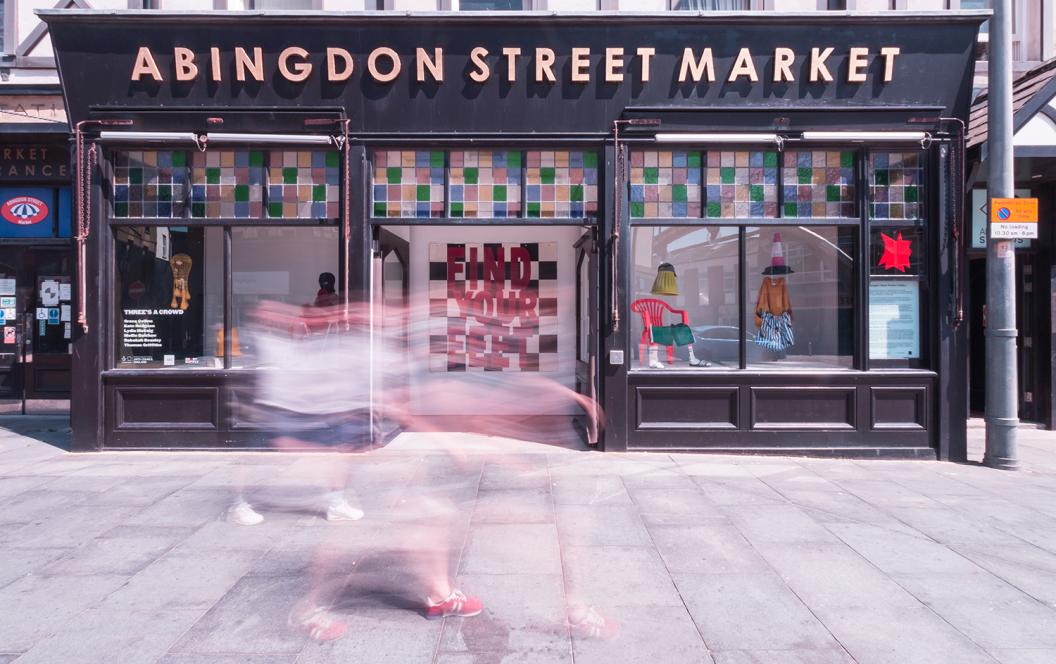
UK games have been receiving their due recognition of late, as one of our principal birds of entertainment, particularly the Northern species, and about time too. Last November, we had BBC’s ‘Look North Report’, that shone a spotlight on Sheffield Hallham’s games courses and Yorkshire-based studios, like Cast Iron [1]. That same year, Yorkshire ‘slapformer’, Thank Goodness You’re Here (2024), won Best British Game at the 21st British Academy Games Awards, and became a critical international darling. Meanwhile, Rebellion Development’s Atomfall (2025) brought survival-action to the Lake District, and The Chinese Room’s Still Wakes the Deep (2024), proudly toted an all-Scots cast and dialect. We are now more attuned to seeing Northern nests, Northern warbles, accurately realised in our games. Which brings us, to ROOST (TBA)...
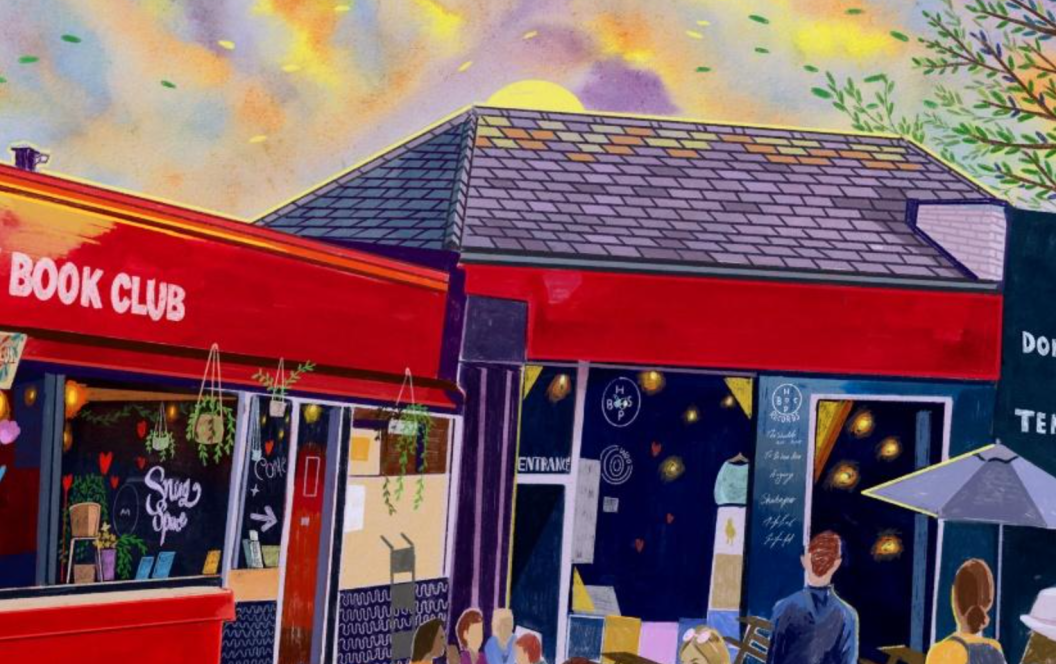
Jack Chapman has been a Level Designer at Auroch Digital, PlayStation London, TT Games and more, and in his spare time, is a solo developer working on the first-person horror game, ROOST. I met Jack last year at ‘Platform’, a social and talks event for the Northern Games Industry, hosted by Dan Hett at Cultplex Theatre [2]. There, I got to see an early trailer and Jack’s excellent pitch for the game.
I caught up with him recently to chat about development on the title, and how growing up in the North has shaped his industry experience and perspective…
TG: I’d like to begin with a little on your history, working as a developer in the North. How did you get into the industry?
JC: So, I was born and raised in the Northeast, and very fortunate to have Darlington College right on my doorstep, which was just starting its games course. Initially I thought about studying arts or media, but nothing was sitting right with me. I’d nearly given up hope of finding anywhere. But then I happened to stumble onto Darlington’s creative media development space, where I remember them showing the Fallout 3 (2008) power armour helmet in Maya. I talked to the course leader there, Matthew McGrory, to ask what this was for, and he said it was a games development course, that the college were introducing as of September. Which was just amazing! Right time, right moment, you know?
So, I studied there for two years, which was a mixed bag of audio design, stop motion, and concept art. And then this major swing into games development; where we were using 3D modelling software, texturing, and working in Unreal Engine 3. If it wasn't for that, I honestly don't know if I'd have found my way into the industry.
From there, I went to Teeside Uni, which is only about 20 minutes down the road from Darlington, and graduated in 2016 with First Class Honours in Computer Games Development. In college, I wanted to be a 3D or concept artist, and then just got humbled by the talent of my age range. So, at Teeside I made a pivot into level design. I think building spaces for players goes back to before I knew what games development was. I used to make things, with Lego, or bits of recycling at my grandma's house, little forts and scenarios for my action figures to have stories in. I’ve always been interested in telling stories by how we play them, which is kind of what level design is.
With the available education at the time, there wasn't a lot of dedicated level design teaching. I always mention to students that they have access to so much veteran level design now, like the archive of GDC talks on YouTube [3]. People like Peter Field, who was a level designer on The Last of Us (2013) and Uncharted 3 (2011), has a talk called ‘Spatial Communication’ (2020) which, for me, is the gold standard of level design discussion, and one I always recommend [4]. In 20 minutes, you can probably come away with enough know-how to conceptually understand what goes into putting levels together, and the techniques involved in building a space, regardless of what you're making.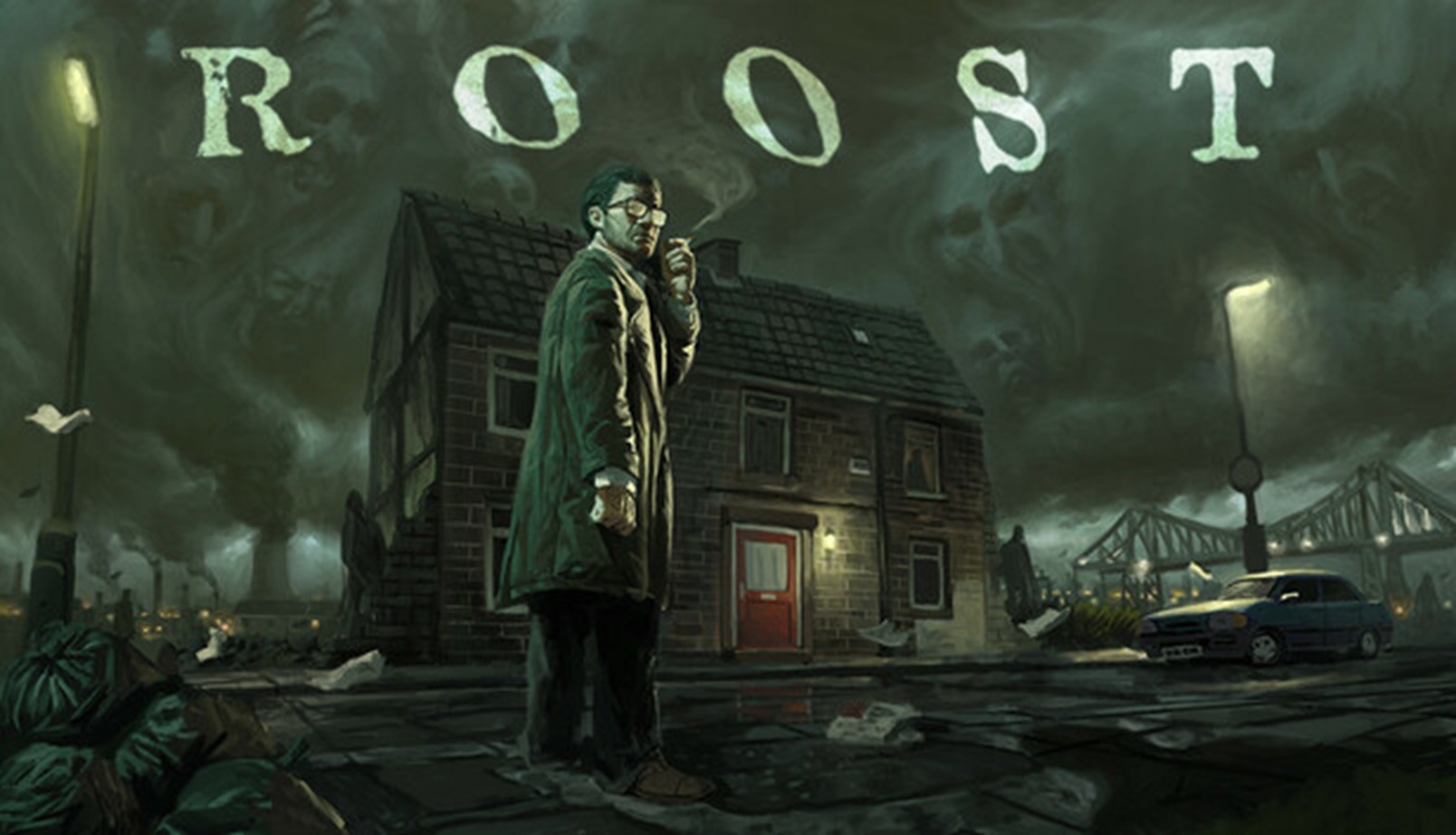 Source: ROOST Steam Page
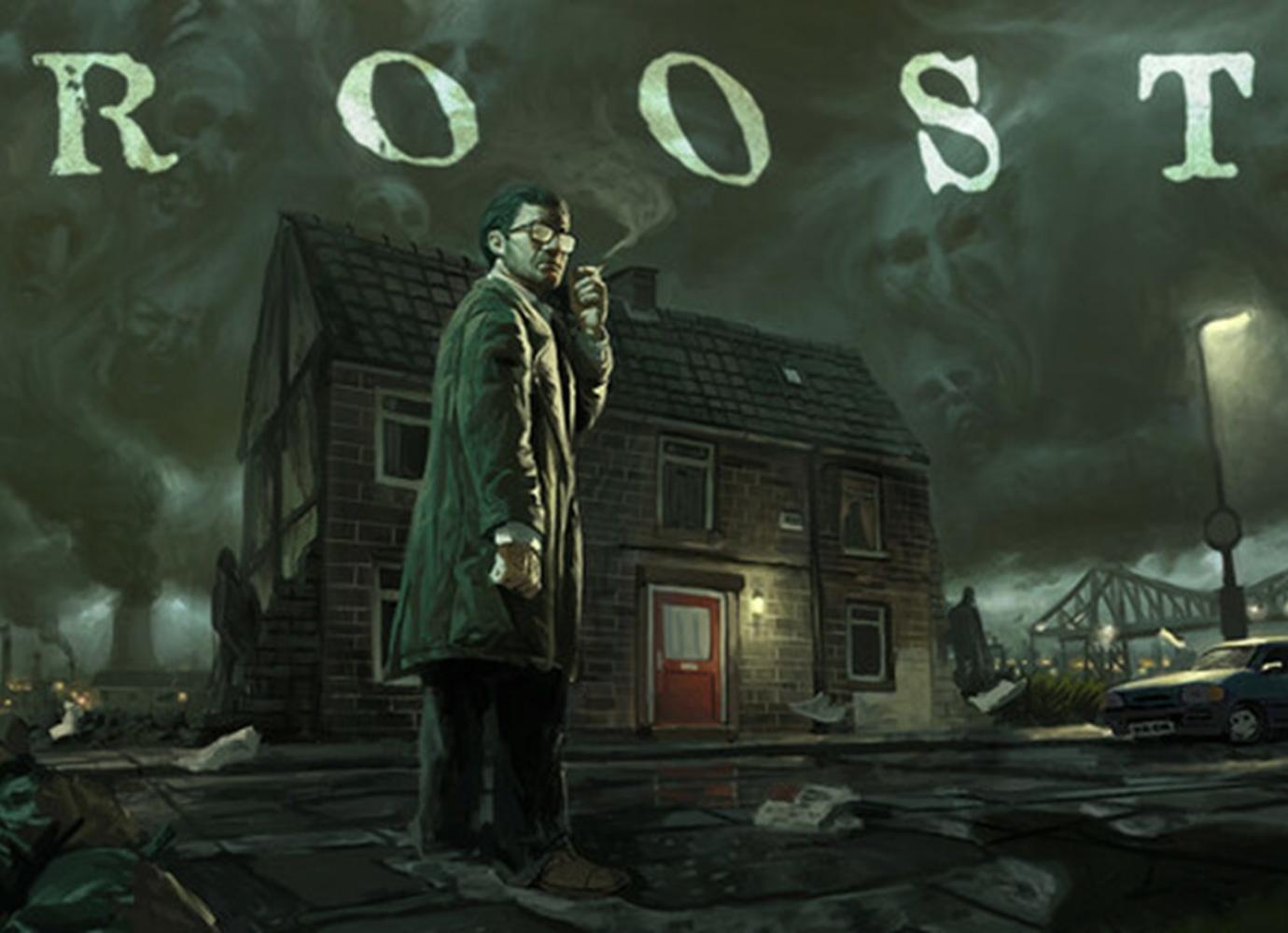
TG: Thanks for touring us through that! So, onto where you’re at now, the horror-exploration game, ROOST. We play as a down-on-his-luck paranormal investigator, Declan Harker, who has been drawn into a haunting mystery within the town of Mournborough.
In promotional material you’ve mentioned some game inspirations: Silent Hill (1999), Paratopic (2018), and Park Lane (2022). These last two especially, are titles that twist the dev’s local environments into something horrific. With Paratopic based on Doc Burford’s rust belt hometown [5], and Park Lane simulating the average experience of catching a non-cancelled train to Sunderland (where dev, Joseph Whitehead, is based).
For me, and I’m sure for many others, a Silent Hill-style Northeast is something incredibly exciting, and perhaps already quite relatable! I suppose we've got the upcoming Silent Hill: Townfall (2026), which is a Scots-flavoured Silent Hill!
JC: Beat to the punch! I was so excited when I saw that trailer, but also like, ‘ahh!’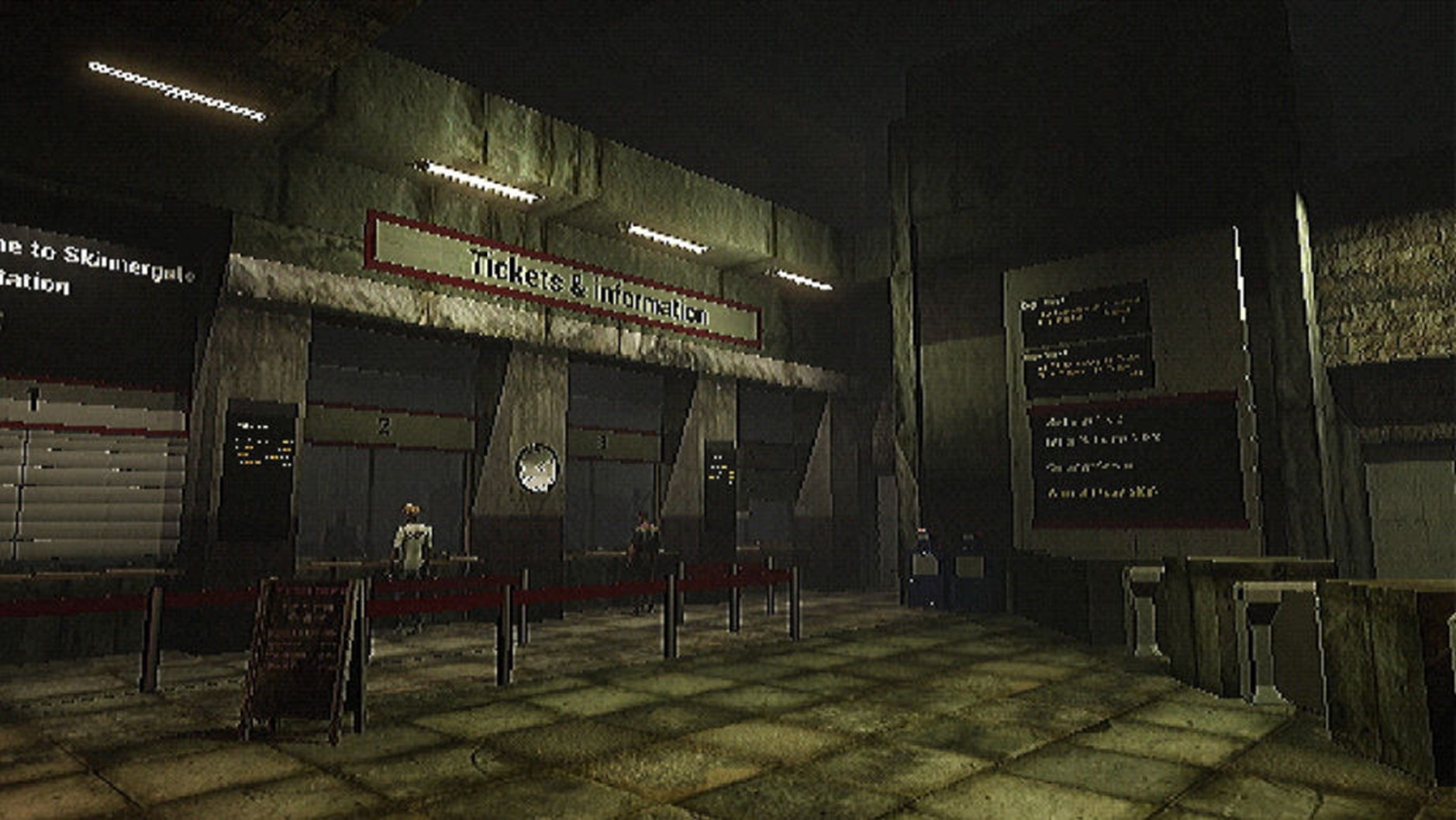 Source: ROOST Steam Page
TG: Well, what’s been your vision for Mournborough and ROOST’s narrative within it? Have your own experiences shaped its character at all?
JC: Conceptually, I'm trying to create the sense of being an outsider, but twisting that on its head a little. I think that stems from me being from the Northeast and having quite a lot of pride about the area. Because it's quite underserved, both in literal terms, and also in the way it's been portrayed in fiction. People might come into it with pre-established ideas, the ‘Grim Up North’ mentality. I want to turn that dial to 11, like ‘okay, what if it actually was really grim, but maybe those perceptions also aren't entirely correct?’ A lot of the characters you strike up conversations with, they might have a bit of an edge to them, you might want to keep your distance, but there's also going to be a lot more under their surface.
I'm trying to open up a conversation about the North-South divide that exists in our country. There’s a reason why the North has its grim reputation with places that were industrial powerhouses, whether that’s Sheffield or Middlesbrough, that were then systematically torn down and abandoned. I think that kind of story is ripe for horror, especially the classic ‘journey into the unknown.’ It's a cheesy marketing phrase to treat the city ‘like its own character,’ but I’ve tried to adopt some of that thinking when researching what Middlesbrough used to be. I saw all these affluent Victorian buildings when I lived there, and it made me think about what was taken from the area, and how it was left to fend for itself. Which feels core to the themes of survival horror in a way.
I don't ever want to be explicit, people will have their own readings, but it'll be interesting to see the game’s reception nationally, versus internationally. When I was showing off some early environments like the train station, people were commenting on how familiar it felt. I think in the UK, we can all relate to the Northern Line train that never turns up, then you finally get on it and it’s just the start of an even longer journey. Warping a mundane environment is where true horror can sometimes lie. When you’re just shooting a boogeyman, the place, the characters and the politics around it don’t always matter. 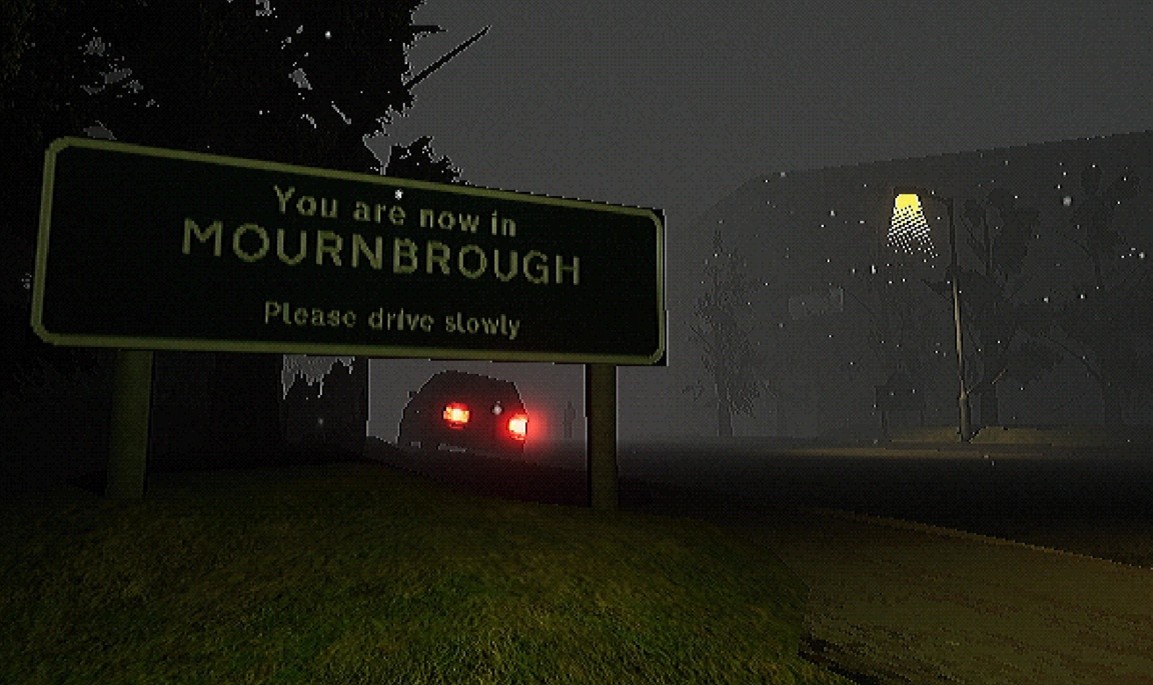 Source: ROOST Steam Page
TG: Yes, and there’s already quite a strong precedent you’re tapping into, for using games to negotiate post-industrial decline. Like the game Night in the Woods (2017) for one, which sources it’s cult horror from an American industrial perspective.
JC: Yes!
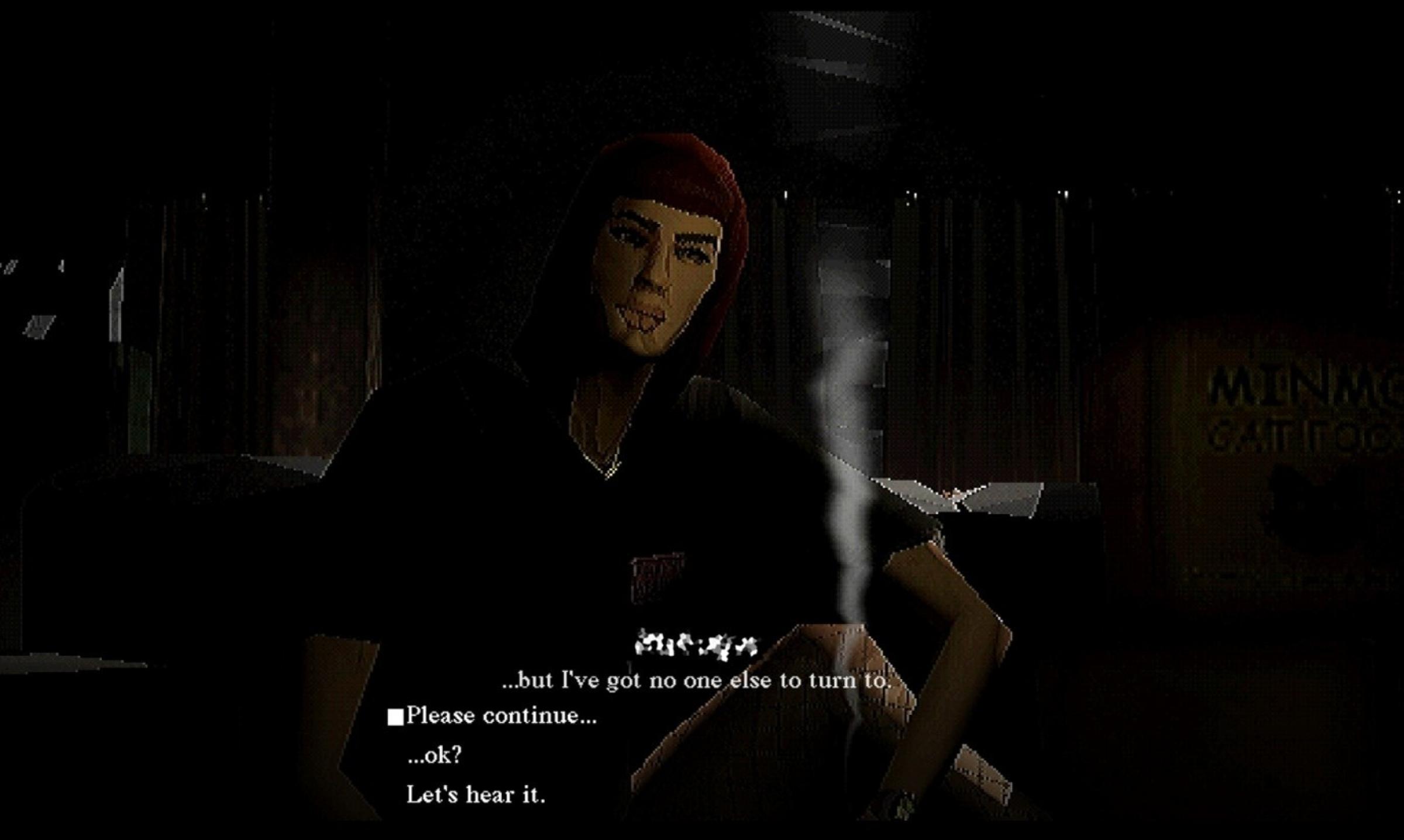
TG: It feels like – I can see the poster of Kes behind you there –
JC: I swear, that's always there!
TG: Placed there on purpose! But yeah, especially in the trailer, it feels like we get that 50s, 60s, kitchen-sink kind of ordinary misery; from Declan, the cashiers, the homeless man. There’s a beige and grey grimness that’s particularly familiar to me, as someone who’s grown up on a Northern council estate. Characters aren’t afraid to use slang like ‘Tosser,’ that broader audiences might not be aware of.
I think of the how the South-Yorkshire set Thank Goodness You’re Here (2024), fully embraced its ‘Thees’ ‘Thaws’ ‘Nowts’ and ‘Sens’ to make the ordinary seem exciting and strange to players from out of town (Whilst also providing an international subtitle option).
Do you think the overwhelming critical success of approaches like Coal Supper’s might signpost more accurate Northern representation to come? Has this had any effect on your own development of ROOST?
JC: I actually bumped into the devs of Thank Goodness You're Here, back in December at the Horror Game Awards. And I just needed to congratulate them on the amazing, ludicrous game they made. I loved how it didn't sanitize any of the slang or regionality. I don't know how it's landed internationally, but I think that's fine, right? Maybe a game doesn't need to be played by everyone and can just be a love letter to the people who will understand it. I don't even think they had like an agenda, beyond it being two people who grew up in Yorkshire, who ‘wrote what they knew’; that age-old thing. When you’re being genuine, people can feel it. It’s a game made by people who really love and understand the area.
It's quite easy to pin all Northern stories to the industrial image. But I’m more interested in the commonality of people that come out of that. When I moved down South to work at Supermassive, the first group I got friendly had also moved from the North. And it wasn't intentional; you just gravitate to people who you feel a natural kinship to. Like you said, it's happening in the States as well. People are more empowered to not sanitize their work to make it more digestible for everyone. They want to make art authentically, from the heart. And I think that will always find its way to the right audience.
Source: ROOST Steam Page
TG: I agree! With events aimed at connecting creatives, like Cutplex’s ‘Platform’, and Manchester ‘Game Hive’, hosted by Emily Brown (VOID Interactive), it seems the local industry is more focused on connection and support during this time of unprecedented layoffs.
In your experience then, is there any truth to the suggestion that solo devs are able to work more fluidly outside of, or on the margins of, the studio system? Does using a home-grown network and attending in-person events, perhaps allow for a more communal, democratic access into the industry?
JC: I really appreciate Platform, Greg putting it on, and Dan taking it as his baby and hosting it. He always ends each session by saying, ‘This is a stage for anyone who wants to get up. If you've just started 3D modelling, or if you're a 20-year veteran dev, AAA, indie, even if you don't call yourself a game developer, come and give it a crack.’ Obviously, I can't speak for Dan, but to me, that comes from a DIY, punk mentality, where people don’t have the resources to get into the arts in the ‘normal way.’
If people are on the periphery of the games industry, and they’re trying to find a way in, they can come along to events like Platform, listen to three 10-minute talks and an industry headliner, and then network with people who are all involved in games. That's super cool, right? If you’re from a lower-income background, you can also get a specialized ticket as well. Lowering the barrier of entry is always a good idea. I look at the prices of GDC, for example. I think it's an awesome institution and it’s cool that it exists, but with the ticket, the flight, and then the accommodation, a lot of people do get priced out.
Platform isn’t a professional's evening, it’s ‘Have you got a stupid prototype you've been noodling away with? Come and talk about it,’ with a room full of game people who want to see cool stuff, maybe have a beer, and chat about the industry. Long may it continue!
Even what Emily's doing; it started on LinkedIn, and then was made into a Discord group. It goes to show you that social media, as bad as it is, is sometimes good for rallying people. In these times, where the industry is seemingly falling apart, it's good that people are becoming more community focused, right? It's about not having judgment. If you've just watched one YouTube tutorial in Unreal and now you call yourself a game dev, then you are to me. Games are an amazing medium, and I don't think it should just be about AAA and GDC. It should be about the smaller stuff too, because that's where the real creative work is often happening.
TG: Definitely. So, we've talked about local spaces that are lowering the barrier to entry, and getting yourself up to speed through online tutorials. Is there any other advice you can offer, for aspiring northern games designers, who are thinking of bringing their own hometown tales to the thumbstick?
JC: Yeah, it's the classic thing of, ‘Write What You Know’. Whether it's your race, sexuality, upbringing, even if you don’t think you have something to kind of say, you definitely do. If you’re authentic and genuine to you, and to what you’re interested in, it'll always be something worth pursuing. Even if it’s just working on something 5 minutes a day, you stack that up over a month? It becomes quite a lot.
It's daunting that there's a lot of talent out there, and sometimes you’ll think ‘I'll never make it.’ But I’d rather fail and get better, than just fail by nothing anything. Tell more stories that are personal, that are regional, that people can connect to! The thing I think is missing at the minute is community. People need art more than ever. Maybe there's a tale that's been done 1000 times, but if you change one aspect, it’s a totally different thing, right? So, don't overthink it, just give it a crack, and if it doesn’t work out, it doesn't work out. That's fine, it's not an issue to fail at all.
TG: Jack, thank you so much for speaking with me.
____________________________________________________________________________________
Visit the Steam store page for Jack Chapman’s ROOST and wish list it here
____________________________________________________________________________________
[1] You can read BBC’s Look North Report here
[2] Cultplex Theatre, Manchester, managed at the time by the excellent Greg Walker, which holds Platform events throughout the year. You can visit their website here
[3] You can listen to GDC’s (Games Developers’ Conference) archived talks here
[4] You can visit Peter’s Portfolio here, which includes the talk Jack mentions, ‘Spatial Communication’ for Develop Digital
[5] You can read USGamer’s article by developer Doc Burford here
Author: Tadgh Gibson